


TMJ Disorder Treatment in East Hills, Calgary

Jaw pain, clicking, and stiffness are signals worth taking seriously — and in most cases, very treatable.

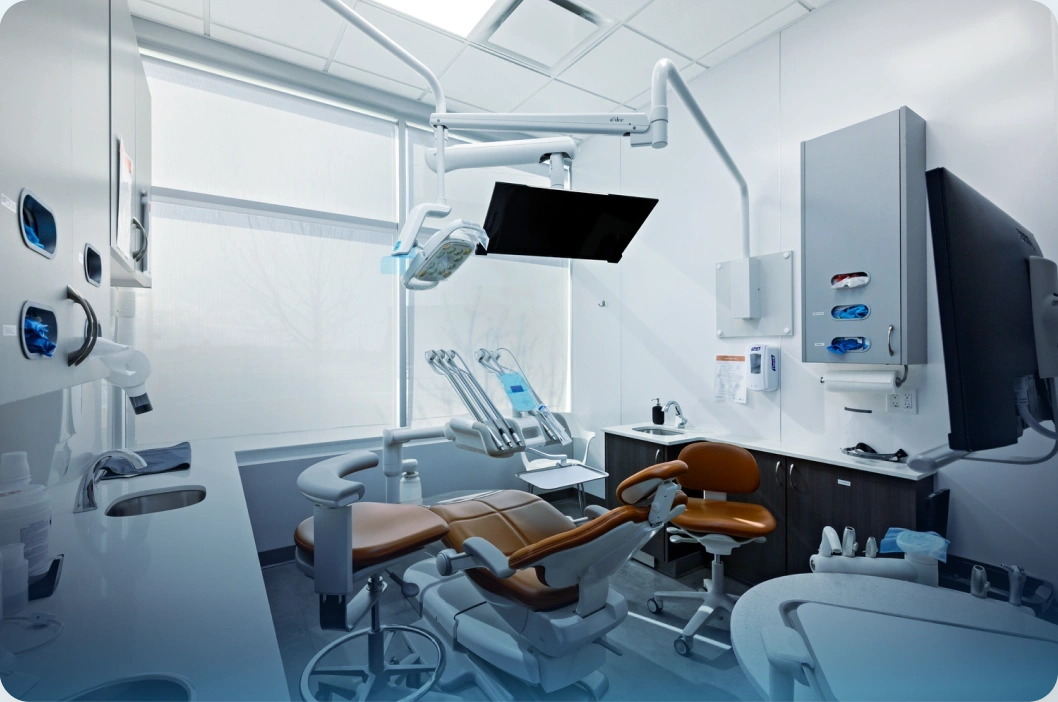
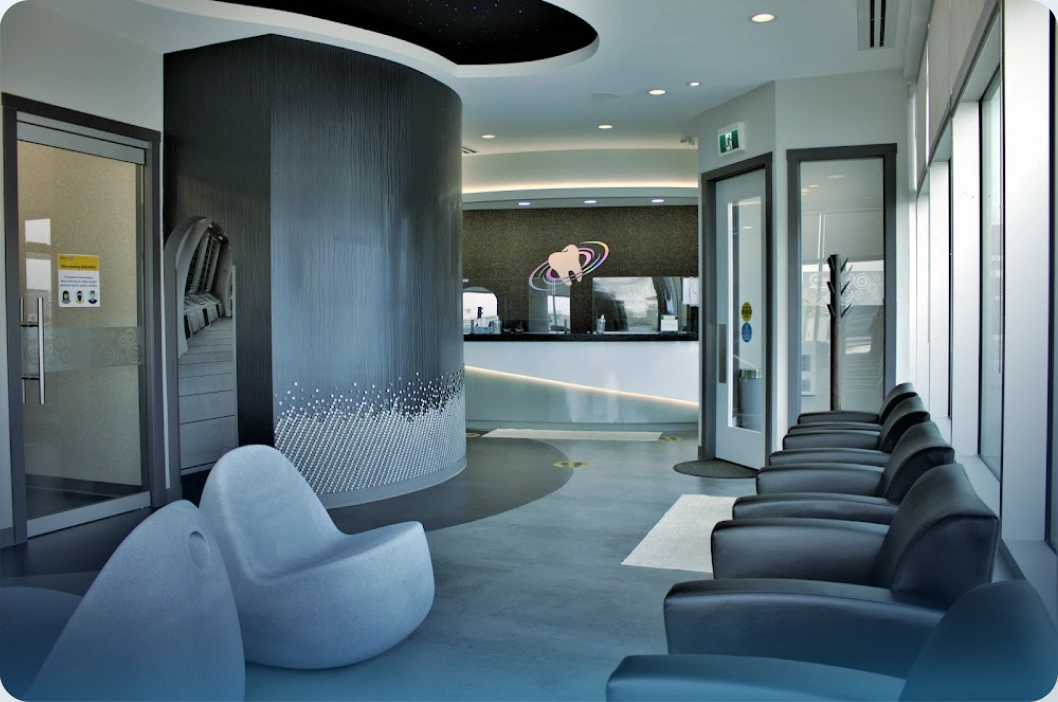
Take a Tour

What is a TMJ disorder?

The temporomandibular joint (TMJ) connects your lower jaw (mandible) to your skull on each side of your face, just in front of your ears. This joint — one of the most complex in the human body — is responsible for every movement your jaw makes: opening and closing, chewing, speaking, and yawning.

A TMJ disorder (also called TMD) is a condition in which the joint, the surrounding muscles, or both are not functioning as they should. The result can range from mild discomfort and occasional clicking to persistent jaw pain, chronic headaches, and restricted jaw movement that affects daily life.

TMJ disorders are more common than most people realize, and they are far more treatable than they often seem. At Planet Dental, we take a measured, systematic approach to assessment and care — starting with the least invasive options and working methodically toward the solution that best fits your situation.

Symptoms of a TMJ disorder

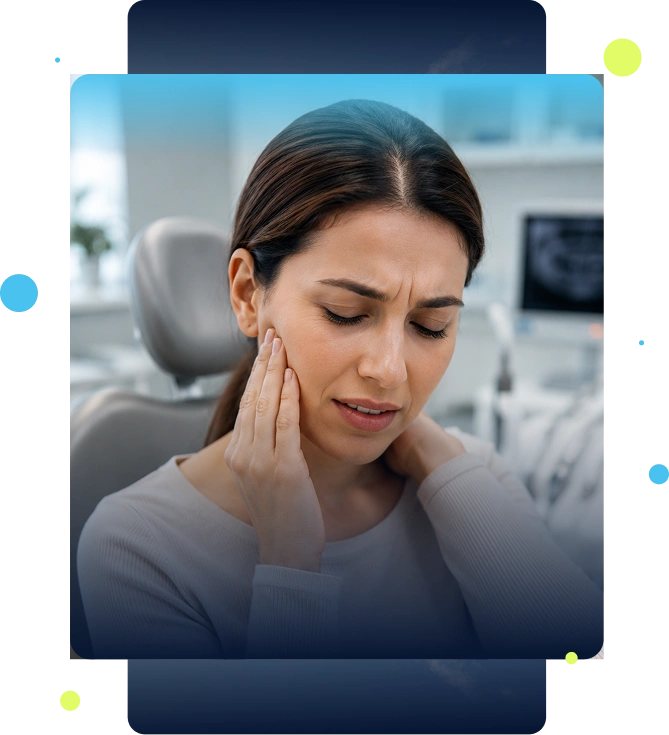
TMJ disorders can present in a wide variety of ways. Common symptoms include:

If several of these symptoms sound familiar, a TMJ assessment at Planet Dental is a worthwhile next step.

What causes TMJ disorders?

TMJ disorders often have multiple contributing factors, which is part of what makes them complex to diagnose. Common causes and contributing factors include:

In many cases, no single definitive cause can be identified — which is why comprehensive assessment is important.

What happens at a TMJ consultation?

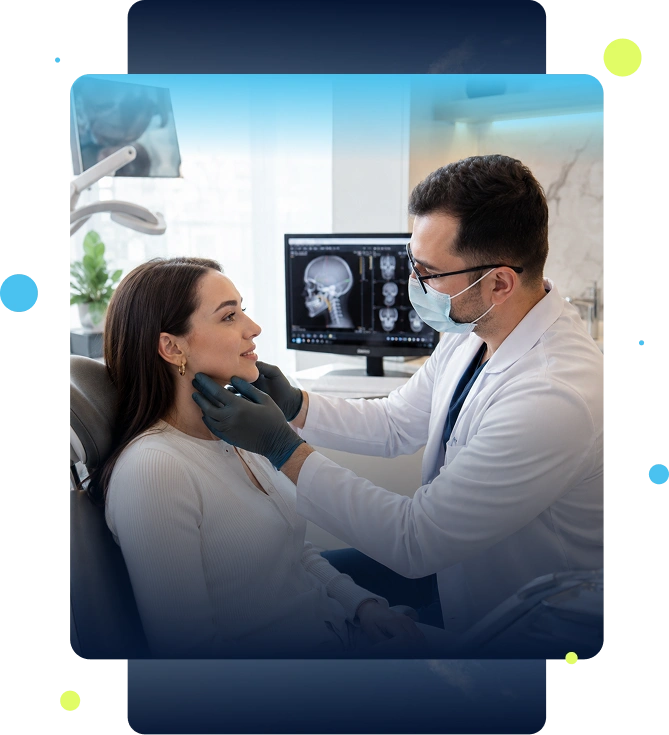
Your TMJ consultation at Planet Dental is a thorough, unhurried assessment.

Here's what to expect:

TMJ treatment options

Treatment is always approached conservatively first. The great majority of TMJ disorders respond well to non-surgical management:

Occlusal splints and night guards

A custom-fitted oral appliance — worn over the upper or lower teeth — is one of the most effective and widely used treatments for TMJ disorders. It reduces the load on the joint during sleep, prevents the damage caused by grinding, and encourages the jaw muscles to relax into a more neutral, comfortable position. Many patients experience significant symptom relief within weeks of consistent use.
Physical therapy and jaw exercises

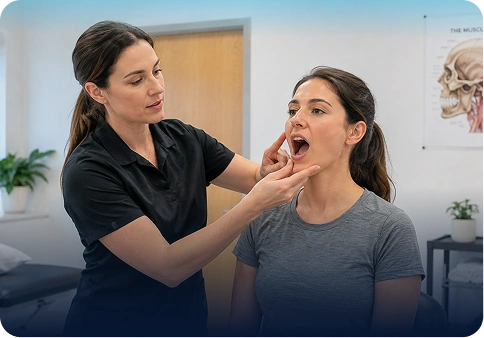
Targeted stretching and strengthening exercises for the jaw muscles can reduce tension, restore range of motion, and improve joint function over time. Your dentist can guide you through the appropriate exercises or refer you to a physiotherapist who specializes in jaw and craniofacial conditions.

Medications

Depending on the nature and severity of your symptoms, your dentist or physician may recommend over-the-counter anti-inflammatory medications, short-term muscle relaxants, or low-dose tricyclic antidepressants — which are used in TMJ treatment for their muscle-relaxing and pain-modulating properties rather than their antidepressant effect.
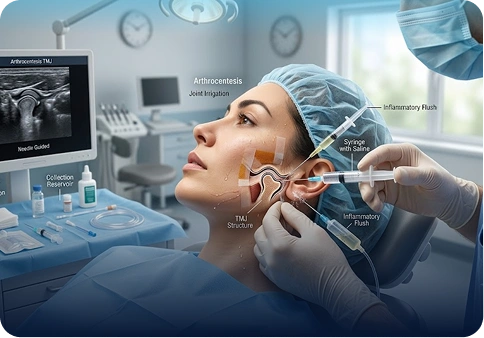
Arthrocentesis

A minor in-office procedure in which small needles are used to irrigate the joint space — flushing out inflammatory byproducts and reducing intra-articular pressure. Effective for certain cases of acute joint locking or inflammation.
Occlusal splints and night guards

A custom-fitted oral appliance — worn over the upper or lower teeth — is one of the most effective and widely used treatments for TMJ disorders. It reduces the load on the joint during sleep, prevents the damage caused by grinding, and encourages the jaw muscles to relax into a more neutral, comfortable position. Many patients experience significant symptom relief within weeks of consistent use.

Physical therapy and jaw exercises

Targeted stretching and strengthening exercises for the jaw muscles can reduce tension, restore range of motion, and improve joint function over time. Your dentist can guide you through the appropriate exercises or refer you to a physiotherapist who specializes in jaw and craniofacial conditions.

Medications

Depending on the nature and severity of your symptoms, your dentist or physician may recommend over-the-counter anti-inflammatory medications, short-term muscle relaxants, or low-dose tricyclic antidepressants — which are used in TMJ treatment for their muscle-relaxing and pain-modulating properties rather than their antidepressant effect.

Arthrocentesis

A minor in-office procedure in which small needles are used to irrigate the joint space — flushing out inflammatory byproducts and reducing intra-articular pressure. Effective for certain cases of acute joint locking or inflammation.

Tips for managing TMJ symptoms at home

Frequently asked questions

Can TMJ disorders resolve on their own?

Mild TMJ symptoms sometimes improve on their own — particularly when they are triggered by a temporary increase in stress or a brief period of jaw overuse. However, persistent or recurring symptoms are unlikely to fully resolve without some form of treatment. Early assessment and intervention prevents the condition from progressing and becoming more difficult to manage.

For most patients with TMJ disorders related to bruxism or muscle tension, yes — a custom-fitted night guard is one of the most effective conservative treatments available. It reduces joint load during sleep, prevents tooth wear, and allows the jaw muscles to rest in a more relaxed position. Over-the-counter guards are not a substitute for a properly fitted custom appliance.

This varies considerably depending on the severity of the disorder and the treatment approach. Many patients experience meaningful improvement within a few weeks of beginning conservative treatment. More complex cases — particularly those involving structural joint changes — may require months of management. Your dentist will give you a realistic expectation at your consultation based on your specific situation.

Coverage varies by plan. Some dental insurance plans cover TMJ-related appliances and treatments partially, particularly when medically necessary. Planet Dental direct bills most major insurers and accepts the Canada Dental Care Plan. We recommend confirming your specific coverage before your appointment — our team is happy to assist with this.

Jaw pain has a starting point — and so does relief.

A TMJ assessment at Planet Dental is the first step toward understanding what’s happening and finding an approach that works. Book a consultation and let’s work through this together.

Planet Dental 
East Hills, Calgary 
Open 7 Days a Week

Book An Appointment

    Thank You!

    Your appointment request has been sent successfully. We will contact you soon.

    PROUDLY ACCEPTING THE

    Canadian Dental
    Care Plan